


Low-Voltage Landscape Lighting in Mandeville, LA: What Homeowners Should Know Before Installing
Category: Landscape Lighting
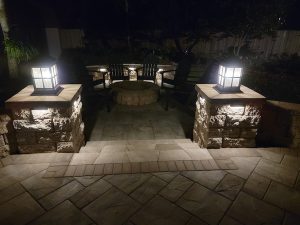
When the sun drops over Lake Pontchartrain, the right lighting turns a dark yard into a warm, safe welcome. If you are considering an upgrade, low-voltage landscape lighting services from Aesthetic Landscapes, Inc. bring out the best in your architecture, trees, and walkways without harsh glare or skyglow.
In neighborhoods like Old Mandeville and Beau Chene, a thoughtful design enhances curb appeal, keeps steps visible on rainy nights, and helps guests find the door. To get a result you love, it helps to know the key decisions your landscaping pro will make before installation.
For a bigger-picture look at how layers of light work together across patios, paths, and facades, explore our page on full landscape lighting and see how accent, wash, and pathway effects create a natural nighttime scene.
Why Low-Voltage Landscape Lighting Fits Mandeville Homes
Low-voltage systems use a safe 12-volt supply, which is well suited to gardens, driveways, and waterfront breezes. They pair efficiently with modern LEDs and give your installer flexibility to fine-tune brightness and coverage around live oaks, brick, and stucco common on the Northshore.
- Safer, energy-smart power for residential landscapes
- Flexible placement for mature trees, beds, and uneven grades
- Quiet, warm ambiance that complements Southern architecture
How a Low-Voltage System Works
Every system starts at the transformer, which steps household power down to 12 volts and manages control settings. From there, weather-rated cable feeds zones of fixtures that are balanced for consistent light across your property.
Transformer Sizing Basics for Reliable Performance
Your installer sizes the transformer to support today’s fixtures with room to grow. The goal is a balanced load that avoids tripping and protects LED longevity. **Ask for a design that reserves headroom for seasonal additions and future garden projects.** This keeps brightness even if you later add a few path lights or highlight a newly planted live oak.
Cable Gauge, Runs, and Voltage Drop
Voltage naturally tapers along a long run. Pros plan cable routes, connections, and wire gauge so distant fixtures still look as bright as the ones near the transformer. **A well-designed layout reduces hot spots up close and dim pools far away**, which is especially important on deep lots or along winding walks off the Tammany Trace.
Fixture Types, Beam Spreads, and Color Temperature
Picking “a light” is only part of the story. The right combination of fixture style, lens, and beam angle brings out texture in brick, highlights graceful canopies, and guides steps without shining in your eyes.
- Path and walkway lights: Low, wide spread to guide feet without glare
- Accent spots: Narrow beams for columns, address stones, or palms
- Wash lights: Soft, wide beams for walls and garden backdrops
- Downlights: Mounted in trees for a “moonlight” effect on lawns
Color tone matters too. **Warm 2700–3000K LEDs flatter brick, stucco, and natural stone**, while cooler tones can make outdoor spaces feel stark. Your designer can blend tones so plantings still look lush after dark.
Zoning, Dimming, and Smart Controls That Make Life Easier
Modern transformers and controllers let you group areas into zones and fine-tune each one. That way, your driveway and steps stay bright during evening arrivals, while garden accents dim to a soft glow later at night. Timers and app-based controls help you adjust for earlier sunsets in winter and gentle summer evenings without constant manual changes.
For clarity, many Mandeville homeowners prefer simple presets. One everyday scene for security, another for guests, and a quiet late-night setting keep things easy. This approach also supports energy savings and longer fixture life.
Glare Control and Neighbor-Friendly Design
Great lighting should disappear. Shielding, lower mounting heights, and careful aiming prevent bright “hot spots” and keep light out of windows and off the street. **Shielded fixtures and tight beam control protect night vision**, improve safety on steps, and make your landscape the star rather than the hardware.
Glare control also shows respect for neighbors. It cuts stray light over fences and reduces reflections on wet pavement during our frequent evening showers.
Local insight: In hurricane season and heavy spring storms, placement matters. Ask your designer to locate transformers and connections on secure, elevated, and well-drained surfaces, and include surge protection suited to the Northshore’s storm patterns.
Built for the Northshore Climate
Mandeville’s warm, humid air and sudden downpours call for materials that can take a beating. Solid brass or marine-grade fixtures resist corrosion, and cast housings shed water and heat better than thin, lightweight options. Gaskets, seals, and quality connectors matter just as much as the light itself.
Live oaks and dense canopies also affect placement. Your installer will account for leaf growth, seasonal pruning, and wind movement so lights do not flicker or create harsh shadows when the breeze picks up from the lake.
What to Expect From a Professional Design
Before any shovel hits the ground, you should see a plan that shows fixture locations, beam spreads, and zones. Expect notes on transformer size, wire runs, and control strategy. On established properties in Old Mandeville, designers often phase work to protect roots and existing hardscape, then fine-tune angles after dark for the final look.
It also helps to preview a night demo. Temporary setups let you confirm brightness, glare control, and shadow patterns along steps, patios, and drives. That real-world check keeps the final scene natural and comfortable.
Maintenance Homeowners Should Expect
LED systems are low effort, not no effort. A good plan includes occasional lens cleaning, shrub trimming around fixtures, and a quick check of connections after big storms. Your pro may also schedule seasonal dimming tweaks so winter scenes don’t feel too bright and summer parties feel inviting.
Questions To Ask Your Landscaping Pro
Clear answers now prevent headaches later. Use these prompts to compare proposals and choose the approach that fits your home and routines in Mandeville, LA.
- How did you size the transformer, and what headroom is reserved for future fixtures?
- What materials and finishes resist corrosion best near Lake Pontchartrain?
- How will zones, dimming, and timers support arrivals, guests, and late-night settings?
- What steps are you taking to control glare for drivers and neighbors?
- How does your design handle voltage drop on longer runs or deep front yards?
If you want help mapping the options to your property, our team can walk you through fixture choices, zoning, and controls. Read more about our approach to professional low-voltage landscape lighting and how it’s tuned for Northshore homes.
See the Whole Property, Then Layer the Light
Lighting works best when it complements the rest of your landscape. If you plan to refresh plant beds, add pavers, or rebuild a front walk, bring lighting into the conversation early. This lets your installer hide wiring, set consistent mounting heights, and coordinate finishes with nearby hardscape so the look feels intentional.
To understand how layers come together, skim through examples of landscape lighting that combine path guidance, tree canopies, and gentle facade light. Those details help your yard feel settled and calm rather than bright and busy.
A Quick Word on Historic and HOA Settings
Many Northshore homes sit in areas with stylistic guidelines. Instead of guessing, ask your installer to provide fixture cut sheets, color temperatures, and aiming notes you can share with your HOA or design review group. That keeps your project moving and ensures the finished look suits the neighborhood character.
When a plan respects architecture first, the results still look timeless five years from now. That is true whether you are on a shaded side street in Old Mandeville or along a busier corridor where glare control is essential for evening traffic.