


French Drain Installation: Where Should the Water Be Discharged?
Category: Irrigation
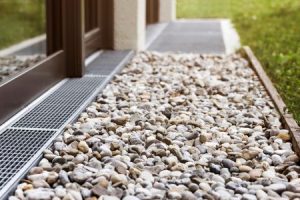
Planning a French drain installation in Madisonville, LA starts with one big decision: where should that water go once it’s collected? Pick the right discharge point and your lawn dries out, your foundation stays protected, and your landscape thrives. Pick the wrong spot and puddles return, grass thins, and erosion starts eating away at your yard. If you’re weighing options, here’s how Aesthetic Landscapes, Inc. evaluates safe, effective discharge locations for Northshore homes.
Every property is different, but the goal is the same: move water away from structures and living areas, then release it where it can flow or soak without causing problems. Our team designs systems that include collection, conveyance, and a smart outlet. When you’re ready to explore solutions, you can learn more about our irrigation and drainage services and see how an integrated plan keeps your lawn healthier year-round.
Why Discharge Location Matters In Madisonville’s Climate
Madisonville and the surrounding St. Tammany Parish see frequent heavy rains, afternoon downpours, and soggy shoulder seasons. Many lots sit near low-lying areas that hold water longer, especially along routes that slope toward neighborhood ditches or the Tchefuncte watershed. That means your French drain should not just remove water from a wet spot. It should release it where soil, slope, and vegetation can handle it without sending the problem somewhere else.
During intense storms, outlets face higher flows. A well-chosen discharge point prevents backflow, cuts erosion, and reduces the chance of water returning toward patios, pools, or crawl spaces. The outlet is the finish line of your system. Get this right, and the rest of the design pays off.
Best Places To Discharge Water From A French Drain
Daylight To Grade On A Gentle Slope
“Daylighting” sends the drain line to an opening at a lower point on your property, where water exits by gravity. This is often the simplest and most reliable option when your yard has enough fall. We protect the outlet with a rock splash pad or riprap to slow flow and resist erosion. This choice works well for many Madisonville backyards that slope naturally toward a side yard or rear tree line.
Roadside Ditch Or Swale (When Allowed)
Some streets around Madisonville include grassy ditches that move stormwater along the corridor. In certain cases, a properly built outlet or pop-up emitter can discharge toward that swale so water continues moving away from the home. We set the pipe invert and outlet protection to avoid scouring the bank and to keep debris from clogging the line. Always verify what’s allowed in your area and along your frontage before planning a ditch tie-in.
Curbside Pop-Up Emitter
Where a curb and gutter system exists, a pop-up emitter near the curb can release water at turf level so it flows to the street. The emitter stays closed when dry and rises under water pressure during storms. This reduces trip hazards and keeps leaves out of the pipe.
Dry Well Or Infiltration Pit
When gravity to a safe daylight point is not available, a dry well can receive water and allow gradual soak-in. We size the chamber based on contributing area and typical storm intensity, then surround it with washed stone and non-woven fabric to promote infiltration while limiting sediment. This is common in flat sections of the Northshore where soils still accept water but need time to percolate.
Rain Garden Or Dispersion Area
Directing the outlet to a shallow planting bed or dispersion trench spreads water over a wider area. Native plants and amended soils help slow, filter, and use runoff. This can transform a wet corner into a feature that supports pollinators and adds curb appeal.
Tying Into Existing Yard Drains And Downspouts
Many homes already have catch basins or gutter leaders. We can connect your French drain to this network if pipe sizes, slopes, and outlet capacity match expected flows. Properly sized conveyance ensures the system does not back up during peak rain.
Local tip: During late-summer thunderstorms and tropical systems, outlets can surge fast. Adding an accessible cleanout and a simple check device can help prevent backflow when neighborhood ditches run high. In shady, low-lying yards, keep leaves cleared from emitters so stormwater can escape quickly.
Places You Should Avoid Discharging Water
- Neighboring property lines or fences where flow could cause disputes or damage.
- Across sidewalks or driveways where algae growth and slipperiness become hazards.
- Near foundations, piers, or crawl space vents where moisture can linger.
- Into septic fields or over utility easements that need protection.
- Low points without stabilization, which can quickly erode and form ruts.
Never discharge onto a neighbor’s yard or into areas where water can pool against a structure. That simply relocates the problem and can lead to erosion, mildew, and foundation stress. Likewise, do not connect a French drain to a sanitary sewer cleanout. French drains handle stormwater; tying them into sanitary lines risks backups and contamination.
How We Plan The Right Outlet For Your Yard
Mapping Elevations And Flow Paths
We start by walking the property, spotting where water collects, and marking high and low points. Laser or digital levels confirm slope so the pipe can maintain positive flow to the discharge. We also check how roof leaders, patios, and hardscapes shed water, then plan a route that relieves the wet spots without creating new ones.
Evaluating Soils And Infiltration
Soils around Madisonville range from loamy areas that drain fairly well to heavier pockets that stay wet. The outlet type should match what your soil can handle. Where percolation is decent, a dry well or dispersion trench may work. Where the ground stays saturated, a gravity outlet to a ditch, curb, or true daylight point is often the better long-term choice.
Sizing The Outlet And Protecting The Outfall
Even a good outlet can fail if it is too small. We select emitters and pipe diameters that can pass peak flows from your roof and yard. At the outfall, rock aprons or turf reinforcement dissipate energy and reduce scour. Always include some form of erosion control at the outlet so the first big storm does not undo your investment.
Fitting The System Into Your Landscape
Drainage should be effective and discreet. We tuck lines along bed edges, match emitter colors to turf, and design rain gardens that look intentional. When the system blends with your landscape, it is easier to maintain and keeps curb appeal high.
What A Well-Placed Outlet Looks Like
Picture a saturated side yard near Highway 22 that finally dries after storms. The French drain captures subsurface water, a smooth 4-inch line carries it to a rear slope, and it daylights into a small rock basin under oak shade. The rock spreads the water, grass stays rooted, and the patio remains usable the next morning. That is what an effective outlet feels like: simple, tidy, and reliable.
For broader planning ideas, our team has also shared drainage options for New Orleans homes, which overlap with many Northshore needs while reflecting coastal weather patterns.
Signs Your French Drain Outlet Is In The Wrong Spot
- Water reappears within 24–48 hours after a storm in the same low area.
- Grass thins or bare soil shows around the outlet from concentrated flow.
- Mulch or topsoil washes away, leaving small gullies or exposed roots.
- Pop-up emitter stays open because debris or silt jams the hinge.
- Mildew or musty smells near crawl spaces, sheds, or garage slabs.
If you notice any of these, the fix may be as straightforward as relocating the emitter, adding an apron, increasing pipe size, or switching to a dry well. The earlier you adjust the outlet, the less damage you will need to repair in turf and beds.
A Simple Plan To Choose Your Best Discharge Point
Here is how a typical Madisonville project comes together once you contact our team:
- Assessment. We walk the site, listen to your concerns, and capture grades and constraints.
- Design. We draft a route, select an outlet type, and size components for expected storms.
- Integration. We coordinate with existing gutters, catch basins, and landscape features.
- Protection. We add outlet armor, leaf control, and access points for maintenance.
- Follow-up. We review performance after a significant rain to confirm results.
If your yard has complex runoff patterns or a history of standing water, pairing your French drain with other features can help. For example, connecting to a dispersion area or adding a small rain garden near the outfall can reduce peak flows and improve infiltration in tight soils.
Location, Rules, And Good Neighbors
Every neighborhood handles stormwater a little differently. Some subdivisions use ditches, others use curb-and-gutter streets, and some lots back up to shared swales. Requirements can vary by subdivision or season, and approvals may be needed for certain tie-ins. When you schedule a visit, we review your site context and note any steps that may be required for your specific situation.
Keep outlets away from foundations, fences, and septic fields even when space is tight. It is also a good practice to send water where it can spread and slow down rather than channeling it at full speed into bare soil.
Your Next Step To A Drier, Healthier Yard
Want a fast, professional opinion tailored to your property? Explore Madisonville irrigation and drainage solutions with Aesthetic Landscapes, Inc. Our team understands local rains, roadside ditches, and how soils behave from Mandeville to Covington, and we design outlets that work with your land instead of against it.
For a broader look at services across your landscape, start at our home page. You can learn more about french drain installation in Madisonville, LA, see recent projects, and read tips for keeping water under control season after season.
Ready to talk through your yard’s wet spots? Call 985-201-9797 to schedule a site visit with Aesthetic Landscapes, Inc., or reach out online. If you prefer to read up first, our tips hub offers practical guidance for all kinds of Northshore yards.
When you are ready to move forward, we will confirm elevations, pick the right outlet, and protect the discharge so it stays stable through storm season. Start here with our irrigation and drainage services and take back your lawn from standing water for good.